Spotting "Marriages" in Antique Tallboys & Chests on Chest
A forensic guide to inspecting wood shrinkage, drawer bottoms, hand-cut dovetails, and grain consistency in British period case furniture.
In the antique furniture trade, a "marriage" refers to a single composite piece created by assembling orphaned components from two or more unrelated pieces of furniture. Tallboys (chests-on-chests), bureau bookcases, and corner cabinets are particularly susceptible to this practice. While an honest marriage may serve as attractive decorative furniture, it carries a substantially lower collector valuation than an untouched, unified original.
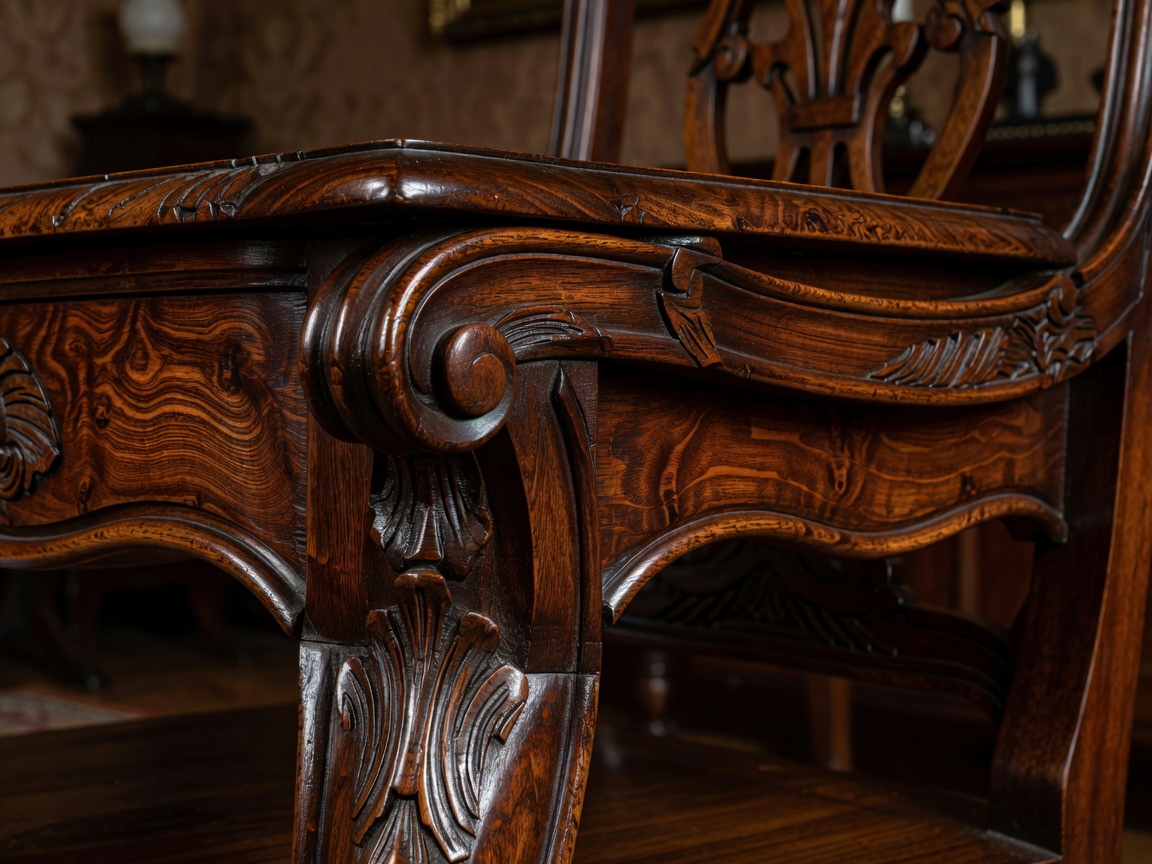
1. The Waist Molding and Continuity of Grain
On a genuine Georgian chest-on-chest, the timber for both the upper and lower carcasses was often sliced from the same flitch of timber. Inspect the side panels: the grain figure and color tone should match harmoniously. If the upper section features dense Cuban mahogany with deep fiddleback curl, while the base exhibits plain Honduras mahogany with straight grain, the piece has likely been married.
Next, examine the waist molding where the upper box rests on the lower chest. The molding must be integral to the lower case and fit the footprint of the upper case with microscopic precision. Look for unpainted filled screw holes or reshaped timber lips that betray adaptation.
2. Backboard Oxidation and Tool Marks
Turn the piece around and inspect the rear backboards. Over 200 years, softwood backboards oxidize to a deep tobacco-brown hue due to contact with air and ambient light.
- Matching Color: The backboards of the top and bottom cases must show identical oxidation depth.
- Hand-Planed Ridges: Authentic pre-1850 boards display irregular, undulating hollows left by the craftsman's scrub plane.
- Nail Diagnostics: Hand-forged rosehead or cut T-head iron nails leave dark halos of iron oxide staining around the nail holes. Shiny round wire nails indicate later tampering.
3. Dovetails: Hand-Cut vs. Machine-Cut
Examine the dovetail joints on the drawer sides. 18th-century cabinetmakers cut dovetail pins with fine hand backsaws and wood chisels. These pins are remarkably thin (often termed 'lap-dovetails' or 'hound's-tooth pins') and may show slight variations in spacing. By contrast, 1880s Victorian machinery produced uniform, chunky, rounded pins.