Staffordshire Figures, Spode & Royal Worcester Identification
A collector's field guide to distinguishing Georgian flat-back earthenware, translucent bone china, and printed factory marks from modern reproductions.
The English ceramic revolution centered around Stoke-on-Trent ('The Potteries') transformed world tableware and domestic decoration from the 1760s onward. From whimsical flat-back mantelpiece spaniels to high-status bone china services by Josiah Spode and Royal Worcester, authentic British ceramics represent one of the most vibrant hunting grounds in flea markets and country auctions.
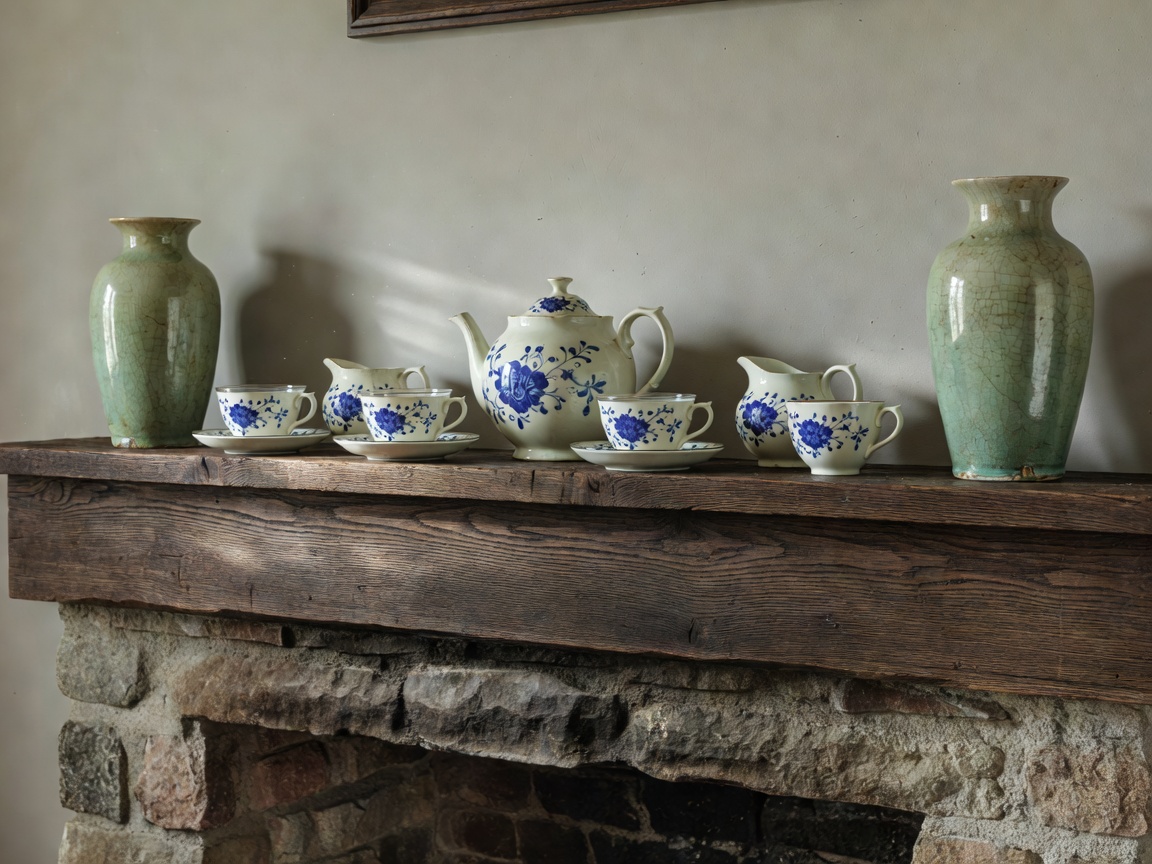
1. Staffordshire Figures: Early Pearlware vs. Victorian Flat-Backs
Early Staffordshire figures produced prior to 1835 (such as Ralph Wood or Walton figures) were modeled in the round, meaning the back of the figure was carefully sculpted and painted. They were decorated with vibrant enamel glazes over a bluish pearlware glaze that pools in the recesses.
From the 1840s onward, potters produced "flat-backs" designed specifically to rest against a chimney wall. These feature a flat, unpainted rear surface with a single small circular firing hole (or 'vent hole') in the base to prevent the hollow clay piece from exploding during firing in the bottle kilns.
2. Josiah Spode and the Perfect Bone China Formula
In 1799, Josiah Spode II perfected the formulation of English bone china by adding calcined cattle bone ash (approximately 45-50%) to China clay and China stone. This produced porcelain with unmatched translucency, pure milky whiteness, and extraordinary durability.
- The Light Test: Hold a true bone china cup up to a strong backlight. You should clearly see the outline of your fingers through the body.
- The Ring Test: Gently tap the rim with your fingernail; authentic bone china produces a resonant, clear musical chime.
3. Reading Factory Stamps & Date Codes
Royal Worcester introduced a sophisticated date coding system in 1891: look for dots surrounding the central crown and crescent mark. The number of dots corresponds to the specific year of production. Furthermore, pieces marked with 'ENGLAND' date from 1891–1914, while 'MADE IN ENGLAND' indicates manufacture after 1914.